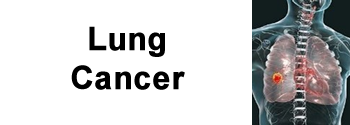
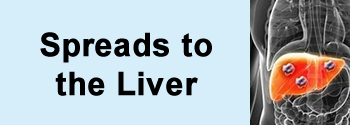
Interventional Radiology (IR) offers minimally invasive ways to diagnose and treat lung tumors, primarily through image-guided procedures like CT-guided biopsies for accurate tissue diagnosis, and therapeutic techniques such as thermal ablation (radiofrequency or microwave) or cryoablation to destroy tumors in patients who are not surgical candidates.IR also manages complications like fluid buildup (pleural effusion) with drainage catheters and addresses bleeding (hemoptysis) with embolization, playing a crucial role in precise, less invasive lung cancer care. Diagnostic RolesCT-Guided Biopsy: An IR doctor uses imaging (CT, ultrasound) to guide a fine needle to extract a tissue sample from a lung tumor, enabling precise diagnosis and biomarker testing for targeted therapies, all while the patient stays awake. Therapeutic Roles (for inoperable or recurrent tumors) Thermal Ablation (RFA/MWA): Delivers heat through needles placed in or near the tumor to destroy cancer cells, using techniques like Radiofrequency Ablation (RFA) or Microwave Ablation (MWA).Cryoablation: Uses extremely cold temperatures to freeze and destroy cancerous tissue.Bronchial Procedures: For central tumors, techniques like mechanical debulking, stent placement, or laser ablation can open blocked airways.Bronchial Artery Embolization (BAE): Blocks blood supply to tumors or treats bleeding (hemoptysis). Managing ComplicationsPleural Drainage: Catheters are placed to drain excess fluid (pleural effusion) that causes shortness of breath. BenefitsMinimally Invasive: Reduces surgical risks, ideal for elderly or sicker patients.Precise: Image guidance ensures accuracy.Effective: Comparable outcomes to surgery for certain early-stage cancers.Repeatable: Procedures can often be repeated if cancer recurs. ... See MoreSee Less
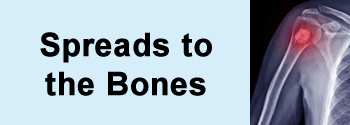
Interventional Radiology (IR) offers minimally invasive ways to treat painful bone metastases by destroying tumors (ablation) or reinforcing weakened bone (consolidation) to relieve pain and prevent fractures, using techniques like radiofrequency/cryoablation, vertebroplasty, and embolization, often under local anesthesia, improving quality of life for cancer patients. Ablative Techniques (Tumor Destruction)Radiofrequency Ablation (RFA) & Cryoablation: Needle probes are inserted into the tumor to generate extreme heat (RFA) or intense cold (cryo) to destroy cancerous cells, often using argon gas for freezing and helium gas for thawing.Alcoholization: Injecting alcohol into the tumor to cause desiccation and tissue destruction, though less common now than thermal methods. Consolidative Techniques (Bone Reinforcement & Pain Relief) Vertebroplasty/Cementoplasty: Bone cement (PMMA) is injected into fractured or weakened vertebral bodies or other bones (like the pelvis) to stabilize them, relieve pain, and prevent fractures. The cement's heat during polymerization can also have a mild anti-tumor effect.Reinforced Cementoplasty: Uses devices to reinforce cement in long bones prone to fracture. Vascular TechniquesEmbolization: Blocking blood vessels supplying hypervascular tumors with microscopic beads to reduce blood flow and induce tumor cell death, sometimes combined with chemotherapy (chemoembolization). Benefits & GoalsRapid Pain Control: Significant pain reduction, often within days, for patients unresponsive to traditional pain medication.Improved Mobility & Quality of Life: Minimally invasive, low-risk procedures performed percutaneously (through the skin).Prevents Complications: Addresses pathological fractures and spinal cord compression.Doesn't Interfere with Other Treatments: Can be done alongside radiation, chemotherapy, or surgery. #MetastaticCancer #clinicaltrials #survivor #CancerSupport #multidisciplinary#awareness #ASCOGI26 #CaringTogether #YouAreNotAlone #JanuaryAwareness #HOPE #RadonActionMonth#CervicalCancerAwareness#friendsforthejourney #ThyroidAwareness #advancedcancer #noonefightsalone #SayYesToHope #caringTOGETHER #multidisciplinaryteam #radiation#radiationsafety #radiationtherapy #RadiationOncology... See MoreSee Less
Advocacy begins when patients are informed, respected, and supported.That is what Say Yes for Hope stands for.Please join us to support all people living with metastatic cancer.www.sayyestohope.org... See MoreSee Less
Education is a powerful tool — but it should always be accessible, clear, and human-centered. Say Yes to Hope helps make that happen by putting patient voices at the table when educational materials are being created. If you need support finding the educational resources you need, connect with us today www.sayyestohope.org... See MoreSee Less